
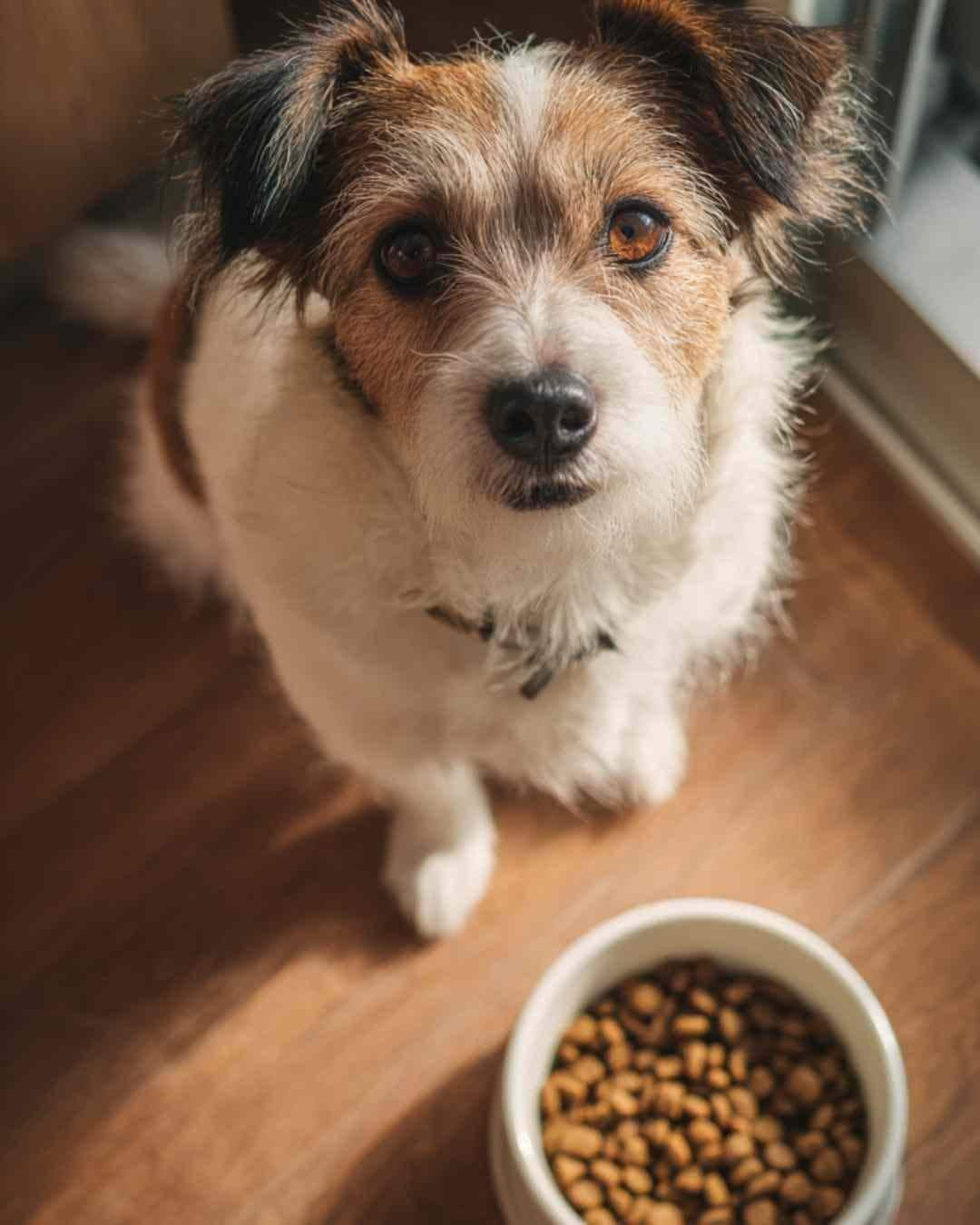
Introducing a new dog food can feel stressful when your dog suddenly refuses to eat it. They sniff, they pause… and then they walk away. If your dog won’t eat new food, you’re not alone — this is a very common situation for dog owners.
The good news? A small, gentle trick can make new kibble much more appealing: mixing a little bit of extra-virgin olive oil into the new food.
This simple addition improves smell, texture and taste — and often helps even selective eaters show interest again. Below is a calm, practical guide to why this works, how much olive oil to add, and when it’s a good idea to talk to your vet.
A Simple Olive Oil Trick That Helps Even Picky Eaters
Why Dogs Often Refuse New Food
Switching dog food is a big change from your dog’s point of view. They don’t read labels — they experience everything through smell, taste and routine. It’s completely normal if your dog needs time to accept a new recipe.
A dog refusing new kibble might be reacting to:
- a smell that feels too different from the old food
- changes in fat content or texture
- stress, travel or other routine changes
- a naturally careful or picky personality
In many cases, the problem is not the quality of the food — it is the transition itself. This is where a small amount of olive oil can gently help.
Dog Won’t Eat New Food? How the Olive Oil Trick Helps
Dogs rely heavily on scent, and extra-virgin olive oil has a warm, rich aroma that instantly boosts the smell of new food. Just a little drizzle can make kibble seem more inviting and familiar.
Olive oil can:
- make dry kibble smell and taste richer
- add a light, natural flavor without spices
- soften the surface of dry food slightly
- create a cozy “home-cooked” feeling around mealtime
Many dog owners find that once they use this olive oil for dogs trick, their pets start eating new food much more willingly.

How Much Olive Oil to Add (By Dog Size)
Use extra-virgin olive oil and always mix it into the food — don’t give it separately. Here is a simple guideline you can start with:
- Small dogs: ⅛–¼ teaspoon (just a light drizzle)
- Medium dogs: about ¼ teaspoon
- Large dogs: about ½ teaspoon
Use just enough to lightly coat the kibble for added aroma — this small amount is typically well-tolerated even by sensitive dogs. Avoid using oil daily if your dog has a history of pancreatitis or stomach issues.
Start with the smaller amount in your dog’s size range and see how they respond. Every dog has their own taste preferences, just like people. If your dog enjoys the new food with olive oil and feels good, you can continue using this trick whenever needed.
Why Extra-Virgin Olive Oil Works Best
For this method, extra-virgin olive oil is the most gentle and natural choice. It is less processed than many other oils and keeps more of its natural aroma and flavor.
Extra-virgin olive oil:
- has a pleasant, warm scent that attracts many dogs
- contains healthy fats that can support skin and coat
- is easy to find in most kitchens
- works well in very small amounts as a flavor and smell booster
You don’t need anything fancy — a simple bottle of extra-virgin olive oil from your pantry is enough to help when your dog won’t eat new food.
Step-by-Step: How to Use Olive Oil When Your Dog Won’t Eat New Food
-
Prepare the bowl.
Place your dog’s usual portion of the new food into their bowl. -
Add extra-virgin olive oil.
Use a tiny amount — ⅛–½ teaspoon depending on your dog’s size, just enough to lightly coat the kibble. -
Mix thoroughly.
Stir until every piece is lightly coated and has a gentle shine. -
Let it rest for a minute.
Give the bowl 1–2 minutes so the aroma becomes stronger. -
Serve calmly.
Offer the bowl without pressure. Allow your dog to sniff, explore and decide at their own pace. -
Repeat for a few days.
You can use this trick for the first 3–5 days of the new food transition until your dog feels fully comfortable.
Many dogs begin eating again within minutes once they feel curious and safe around the new smell and taste.
A little treat for you ✨
If you love pretty, minimalist details — here are a few featured pieces that pair beautifully with everyday looks.
Gentle Tips for Picky or Sensitive Eaters
If your dog is usually careful with food, combining the olive oil trick with a few extra habits can help:
- Mix old and new food for a while (for example, 50/50 at first).
- Feed at the same times each day so your dog knows what to expect.
- Keep treats limited between meals so your dog arrives at the bowl with a healthy appetite.
- Serve the food at room temperature or slightly warmed for more aroma.
- Offer smaller, more frequent meals if big portions feel overwhelming.
Together, these small steps can turn a stressful transition into a smooth and gentle change.
When to Talk to Your Veterinarian
Olive oil in small amounts is generally considered safe for most healthy dogs, especially when it is mixed into their food. Still, every dog is unique.
If your dog has known allergies, a medical condition, or is on a special veterinary diet, it is always a good idea to talk with your veterinarian before adding anything new to their bowl — even something simple like olive oil.
And of course, if your dog is refusing both old and new food, seems unwell, low in energy, or you simply feel worried, contact your vet for guidance. A professional can help you rule out any hidden health issues and suggest the best next step.
For general background on dog nutrition and feeding, you can also explore resources from ASPCA, a well-known animal welfare organization.
Final Thoughts: A Small Act of Care That Makes a Big Difference
Helping a dog who won’t eat new food is not just about getting them to finish their bowl. It is about comfort, trust and gentle support during change. A tiny drizzle of extra-virgin olive oil can turn an unfamiliar meal into something warm, inviting and enjoyable.
Sometimes the smallest adjustments bring the biggest relief — for both you and your dog. If this simple olive oil trick helps your pup eat with more joy and confidence, it becomes more than a kitchen tip — it becomes a quiet little act of love in your everyday routine together.
More Gentle Pet Stories & Tips on DeliloFood

Thank you for spending a moment here on Delilo Everyday Tasty Living. I hope today’s post brought you a little more comfort, clarity, and inspiration for your everyday life. You’re always welcome back — there’s always something warm and uplifting waiting for you here. ✨